Most people do not think about mold testing until something feels obviously wrong. By then, the situation has usually had time to develop, spread, and become more expensive to address.
The problem is not that mold appears suddenly. It is that the early signs are subtle, easy to dismiss, and often misunderstood. Property owners tend to wait for visible growth or strong odors before taking action, even though those are late stage indicators.
The Southern Industrial Hygienist Group focuses on identifying risk before it becomes obvious. Knowing when to test is not about reacting to a crisis. It is about recognizing patterns that point to hidden conditions.
The Mistake of Waiting for Visible Mold
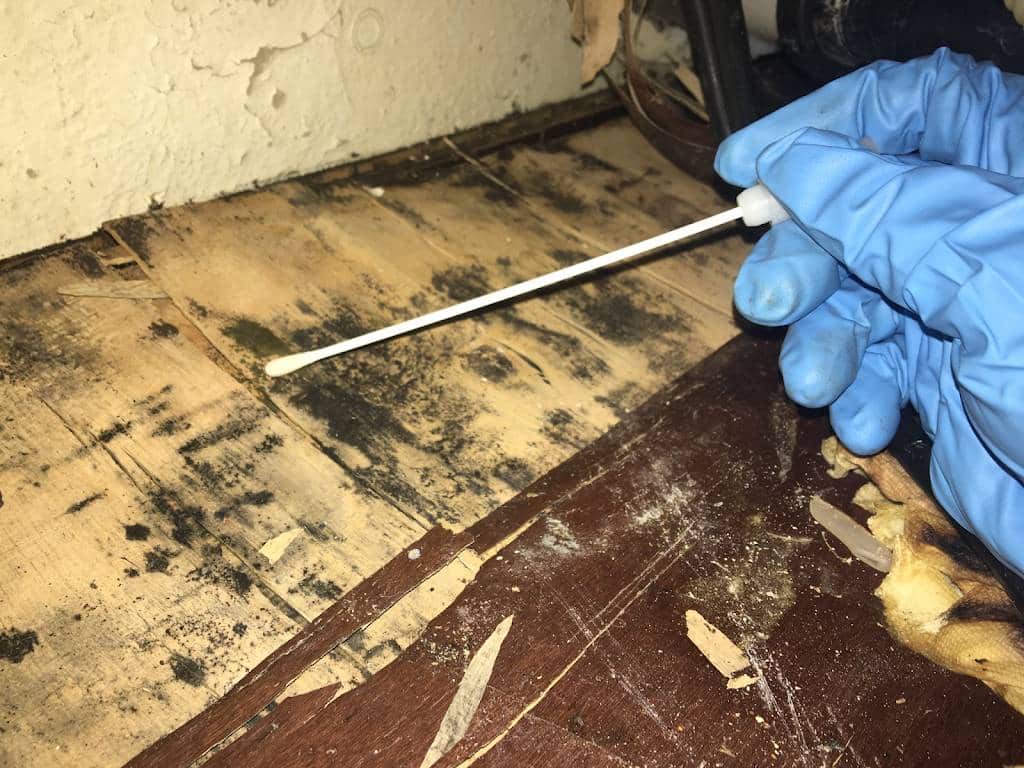
Visible mold is one of the last things to appear in many cases. Before it reaches that stage, it often exists behind surfaces or within materials where it cannot be seen.
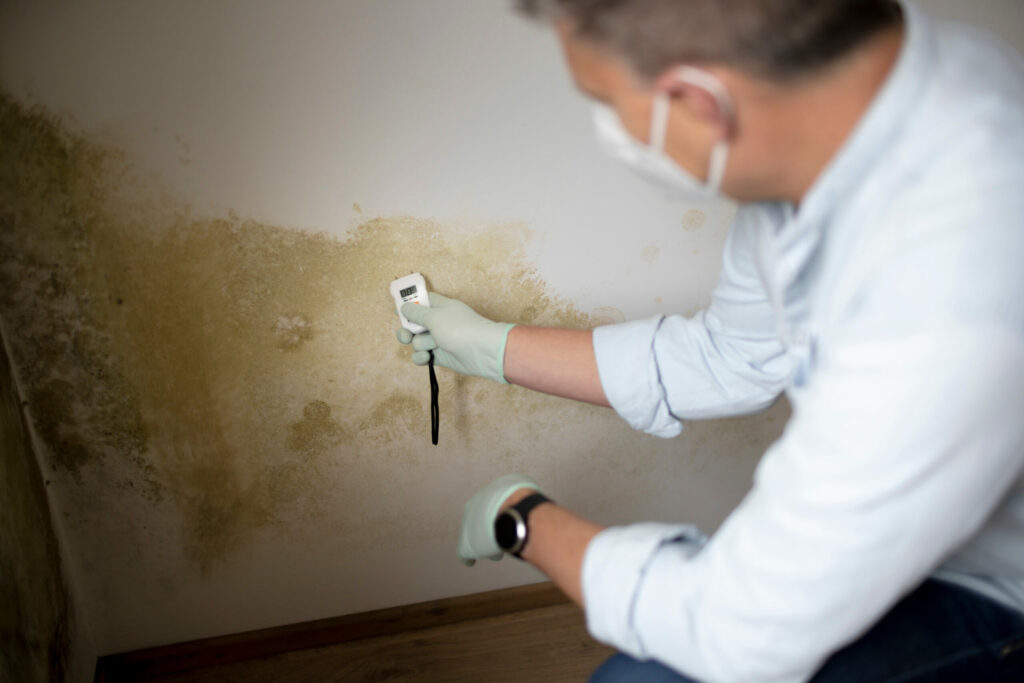
Waiting for discoloration on walls or ceilings is like waiting for structural damage before checking for a leak. By the time something becomes visible, it has already been present for a while.
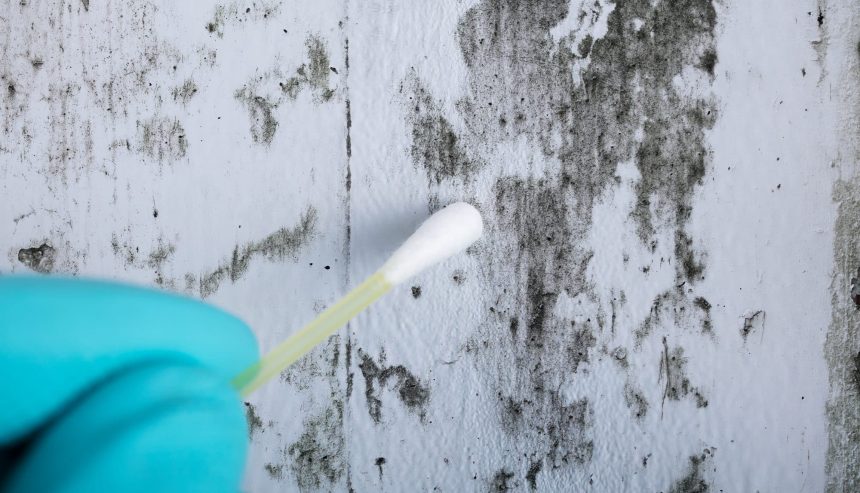
Mold testing allows you to catch issues earlier. It identifies elevated spore levels that suggest active growth somewhere in the structure, even when no visible signs exist.
Persistent Musty Odors
A musty smell is one of the most common indicators of mold, but it is also one of the most ignored. People get used to it or assume it is coming from something harmless.
Odor is caused by compounds released during mold growth. It can travel through air pathways and appear in areas that are not directly affected.
If a space consistently smells off and the source is unclear, it is worth investigating. Mold testing can confirm whether airborne contamination is present and help locate where it is coming from.
Past Water Damage That Was Never Fully Evaluated
Water events are one of the strongest predictors of mold issues. Leaks, flooding, and even minor plumbing problems can create conditions where moisture becomes trapped.
In many situations, the visible damage is addressed, but the underlying moisture is not fully eliminated. This creates an environment where mold can develop quietly over time.
If a property has experienced water damage, even months or years ago, testing can determine whether it led to ongoing contamination.
The Southern Industrial Hygienist Group evaluates these scenarios by combining moisture assessment with air quality testing to uncover what may have been missed.
Changes in Indoor Conditions
Sometimes the signs are less obvious. A space may start to feel different without a clear reason. This can include changes in air quality, increased humidity, or a general sense that the environment is not as comfortable as it used to be.
These changes are often gradual, which makes them easy to overlook. However, they can indicate shifts in moisture balance or ventilation that allow mold to develop.
Mold testing provides a way to verify whether these changes are linked to contamination or if they are caused by other factors.
HVAC Systems and Air Circulation Issues
Heating and cooling systems play a major role in how air moves through a property. When these systems are not functioning properly, they can contribute to moisture buildup and uneven air distribution.
HVAC systems can also spread mold spores from one area to another. A localized issue can quickly become a building wide concern if spores are circulated through ductwork.
If there are signs of poor air flow, unusual odors when the system is running, or inconsistent temperature and humidity levels, mold testing can help determine whether the system is contributing to the problem.
Real Estate Transactions and Property Changes
Buying or selling a property is one of the most important times to consider mold testing. A space can look well maintained while still having hidden environmental issues.
Testing provides an objective evaluation of indoor conditions. It helps buyers understand what they are stepping into and gives sellers a chance to address concerns before they become obstacles.
The Southern Industrial Hygienist Group often works in these situations to provide clear data that supports informed decisions.
Health Related Concerns Without a Clear Cause
Sometimes the trigger for mold testing is not a visible issue, but a pattern of discomfort within a space. When people notice that symptoms improve when they leave a property and return when they come back, it raises questions about indoor conditions.
While mold is not always the cause, it is one of the factors that should be evaluated. Testing helps rule it in or out as part of the bigger picture.
The goal is not to jump to conclusions, but to gather accurate information that can guide next steps.
High Humidity and Condensation Patterns
Moisture does not always come from obvious leaks. High humidity levels can create conditions where condensation forms on surfaces, especially in areas with limited air flow.
This can happen in bathrooms, basements, attics, and around windows. Over time, repeated moisture exposure can lead to mold growth even without a single major water event.
If a property consistently deals with humidity issues, mold testing can determine whether those conditions have already led to contamination.
After Renovations or Structural Changes
Construction and renovation work can disturb hidden areas of a building. Opening walls, replacing materials, or altering ventilation patterns can expose or spread existing mold.
Even if the work appears clean and well done, it can create new pathways for air movement and moisture.
Testing after major changes helps confirm that the environment remains stable and that no new issues were introduced during the process.
Moving From Reaction to Prevention
Most mold problems become expensive because they are addressed too late. By the time visible signs appear, the scope of work is often larger than it needed to be.
Mold testing shifts the focus from reaction to prevention. It allows property owners to identify risks early, take targeted action, and avoid unnecessary damage.
The Southern Industrial Hygienist Group approaches this process with a focus on clarity. Instead of waiting for obvious problems, the goal is to understand conditions before they escalate.
A Smarter Way to Evaluate Risk
Indoor environments are constantly changing. Moisture levels shift, air moves, and materials respond to conditions over time. Mold is simply one result of these changes when they are not properly managed.
Knowing when to test is about paying attention to patterns rather than waiting for proof that is impossible to ignore.
The Southern Industrial Hygienist Group provides a structured way to evaluate those patterns. Through detailed testing and clear interpretation, property owners gain a better understanding of what is happening inside their space.
And once you understand the environment, you stop reacting to problems and start staying ahead of them.