Most people think mold testing is a simple yes or no answer. Either there is mold or there is not. That kind of thinking sounds nice because it is easy, but it has nothing to do with how indoor environments actually work.
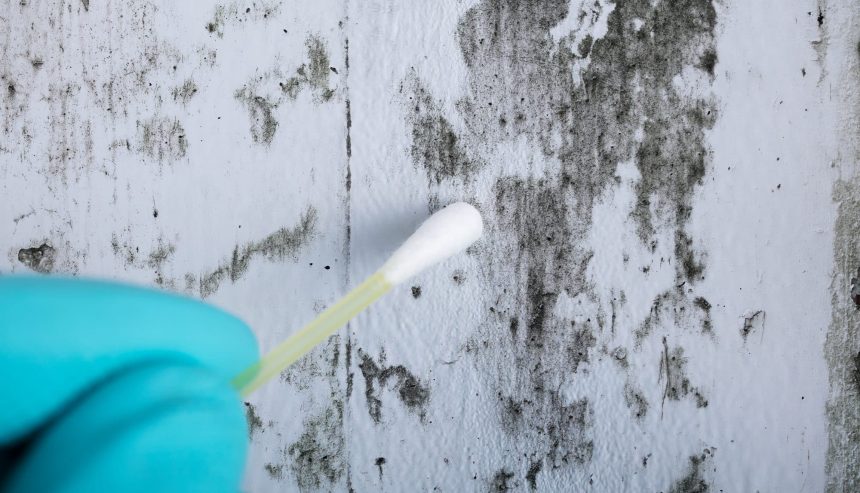
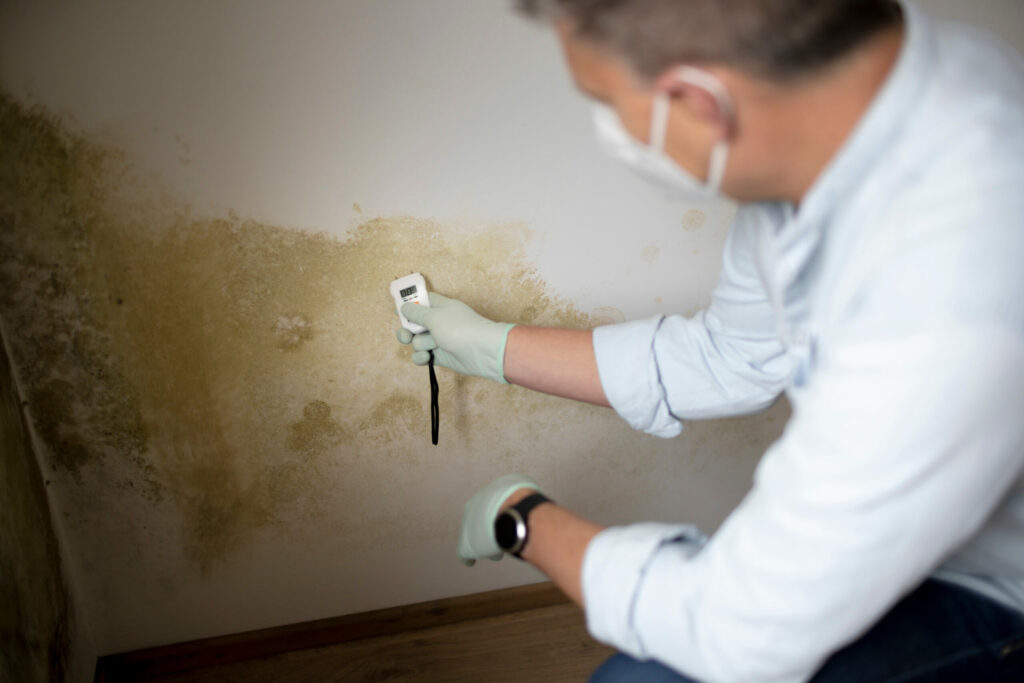
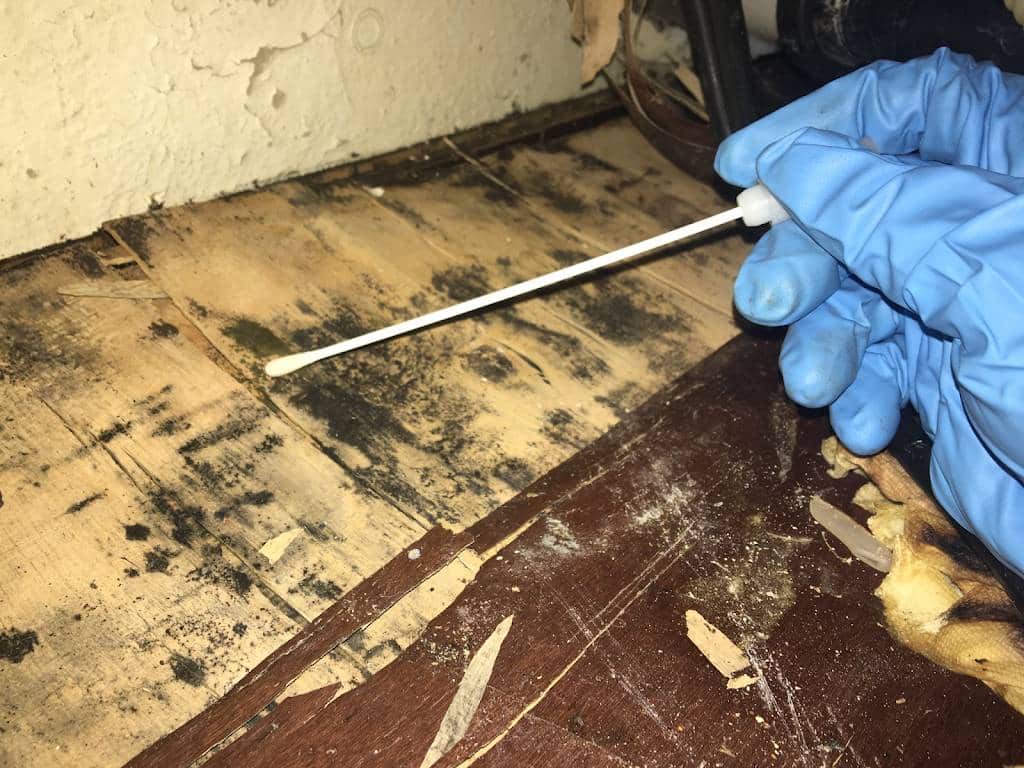
Mold testing is not about finding a single spot of growth and calling it a day. It is about understanding what is in the air, how it behaves, and whether it is creating a risk inside a property. The air inside a building tells a much bigger story than what can be seen on a surface.
The Southern Industrial Hygienist Group approaches mold testing as a full environmental evaluation. It is not just about detection. It is about uncovering patterns, identifying sources, and translating data into real insight about indoor air quality.
Air Is the Real Exposure Point
People do not experience mold problems by staring at walls. Exposure happens through breathing. Every time air moves through a space, it carries particles with it, including mold spores.
These spores are microscopic and cannot be seen without proper equipment. They can move freely through rooms, settle into materials, and become active when conditions allow. This means a property can have poor air quality even when everything looks clean.
Mold testing focuses on capturing what is actually present in the air. This provides a direct look at what occupants are exposed to on a daily basis.
Understanding Spore Levels
One of the biggest misconceptions is that any presence of mold is a problem. Mold exists naturally in outdoor environments and will always find its way indoors to some degree.
What matters is the concentration and balance of spores. Mold testing measures how many spores are present in the air and compares indoor levels to outdoor conditions. This comparison is critical.
If indoor levels are similar to or lower than outdoor levels, the environment is generally considered normal. If indoor levels are significantly higher, it suggests that there is an active source of mold somewhere inside the property.
The Southern Industrial Hygienist Group uses this data to determine whether conditions are acceptable or if further action is needed.
Different Types of Mold Tell Different Stories
Not all mold behaves the same way. Some types are commonly found in outdoor air and are expected to appear indoors in small amounts. Others are more closely associated with water damage and indoor growth.
Mold testing identifies the types of spores present in a sample. This helps determine whether the mold is likely coming from outside or growing within the structure.
For example, certain species are strong indicators of moisture problems. Their presence at elevated levels can point to hidden water intrusion or long term humidity issues.
This level of detail is what turns a simple test into a meaningful assessment.
Hidden Contamination and Air Movement
Air does not stay in one place. It moves through vents, gaps, and open spaces, carrying particles along with it. This is how mold spreads from one area to another without being seen.
A hidden issue behind a wall or inside a ceiling can impact air quality throughout an entire building. HVAC systems can distribute spores into multiple rooms, making the problem appear larger than its source.
Mold testing helps track these patterns. By sampling air in different locations, it becomes possible to see how contamination is moving and where it may be originating.
The Southern Industrial Hygienist Group uses this approach to connect the dots between hidden sources and the air people are breathing.
The Role of Moisture in Air Quality
Moisture is the foundation of mold growth. Without it, spores remain inactive. With it, they begin to grow and release more spores into the air.
High humidity, leaks, and condensation all contribute to this process. Even small amounts of moisture trapped in materials can create ongoing issues.
Mold testing often reveals elevated spore levels that point back to a moisture problem. This is why testing is not just about identifying mold, but also about understanding the conditions that allow it to exist.
The Southern Industrial Hygienist Group evaluates moisture alongside air quality to provide a complete picture of the environment.
Why Odor Is Not a Reliable Indicator
A musty smell is often associated with mold, but relying on odor alone is not reliable. Some environments with elevated mold levels have no noticeable smell at all.
Odor depends on a variety of factors, including the type of mold, the extent of growth, and air circulation. In some cases, a space can smell normal while still having poor air quality.
Mold testing removes this uncertainty. It provides measurable data instead of relying on subjective observations.
Post Remediation Verification
One of the most important uses of mold testing is confirming that a space has been properly cleaned after remediation.
Removing visible mold does not guarantee that air quality has returned to normal. Spores can remain in the air or settle into materials if the process was not handled correctly.
Post remediation testing measures spore levels after cleanup to ensure that the environment is safe. It provides an objective standard for determining whether the work was successful.
The Southern Industrial Hygienist Group uses this step to validate results and prevent ongoing issues.
Health and Air Quality
Indoor air quality has a direct impact on how a space feels and functions. Elevated mold levels can contribute to discomfort, irritation, and a general sense that something is not right.
While sensitivity varies from person to person, prolonged exposure to poor air conditions is not something to ignore. The goal of mold testing is not to create fear, but to provide clarity.
By understanding what is in the air, property owners can make informed decisions about their environment.
Turning Data Into Action
Testing alone does not solve a problem. It provides the information needed to take the right steps.
The Southern Industrial Hygienist Group focuses on translating test results into clear recommendations. This might involve identifying a moisture source, improving ventilation, or guiding a targeted cleanup process.
The goal is not to overcomplicate the situation. It is to use accurate data to guide effective solutions.
A Better Way to Understand Indoor Environments
Indoor air quality is often overlooked because it is not visible. People assume that if a space looks clean, it must be safe. Mold testing challenges that assumption.
It reveals what is actually present in the air and how it compares to normal conditions. It identifies hidden issues that would otherwise go unnoticed.
The Southern Industrial Hygienist Group brings a structured approach to this process. Instead of relying on guesswork, the focus is on measurable evidence and clear interpretation.
Mold testing is not just about finding a problem. It is about understanding an environment at a deeper level.
And once you understand what is in the air, you stop guessing and start making decisions based on reality.