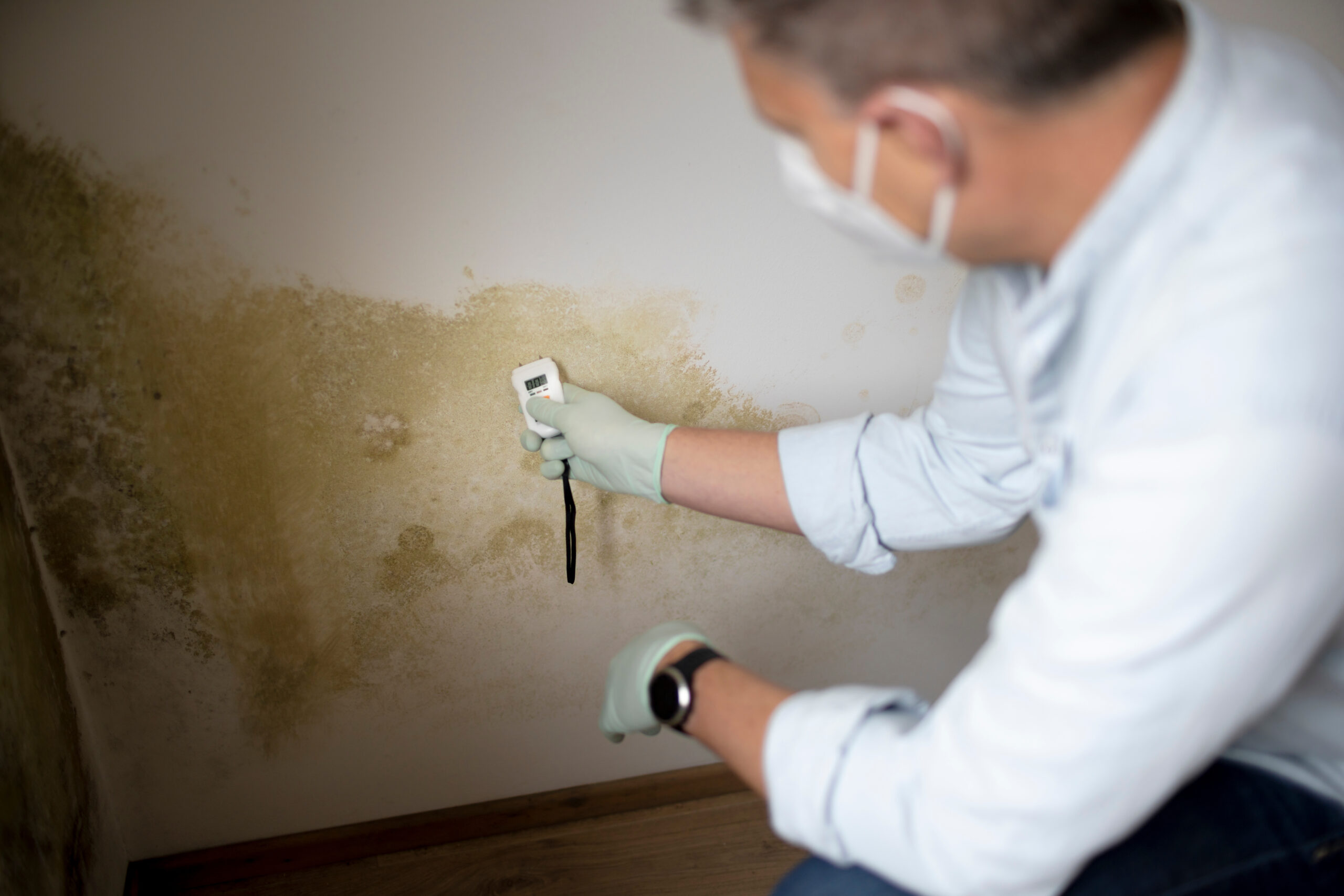
Walk into a property with a faint musty odor and most people immediately look for visible mold. They scan walls, ceilings, and corners, hoping to spot dark patches or discoloration. If nothing obvious appears, they relax and assume everything is fine. That assumption is where problems begin.
Mold does not operate in a way that makes life easy. It does not announce itself clearly or stay confined to surfaces where it can be seen. In many cases, the most serious contamination exists in areas that are completely hidden from view. Relying on what you can see is not just unreliable, it is often misleading.
The Southern Industrial Hygienist Group approaches mold testing from a different perspective. Instead of guessing based on surface appearance, the focus is on measurable data, air quality analysis, and identifying conditions that allow contamination to exist and spread. Understanding the difference between mold testing and mold guessing is what separates a controlled environment from a risky one.
The Illusion of a Clean Space
A room can look spotless and still have elevated mold levels in the air. This is one of the most misunderstood aspects of indoor environments. Mold spores are microscopic. They travel through air currents, settle in unseen areas, and become active when moisture conditions allow growth.
You could walk into a space with freshly painted walls and new flooring and still be breathing in contaminated air. The absence of visible growth does not mean the absence of mold. It only means nothing obvious has surfaced yet.
Visual inspections are limited to what is exposed. They cannot detect what is behind drywall, under flooring, inside insulation, or within an HVAC system. That is where mold often thrives.
Why Mold Stays Hidden
Mold growth is driven by moisture. When water intrusion occurs, whether from a leak, condensation, or humidity imbalance, it creates an environment where mold can develop out of sight.
Common hidden areas include wall cavities, ceiling voids, subfloor layers, and air ducts. These spaces are rarely inspected unless there is a major reason to open them up. By the time visible signs appear, the problem has often progressed far beyond the initial stage.
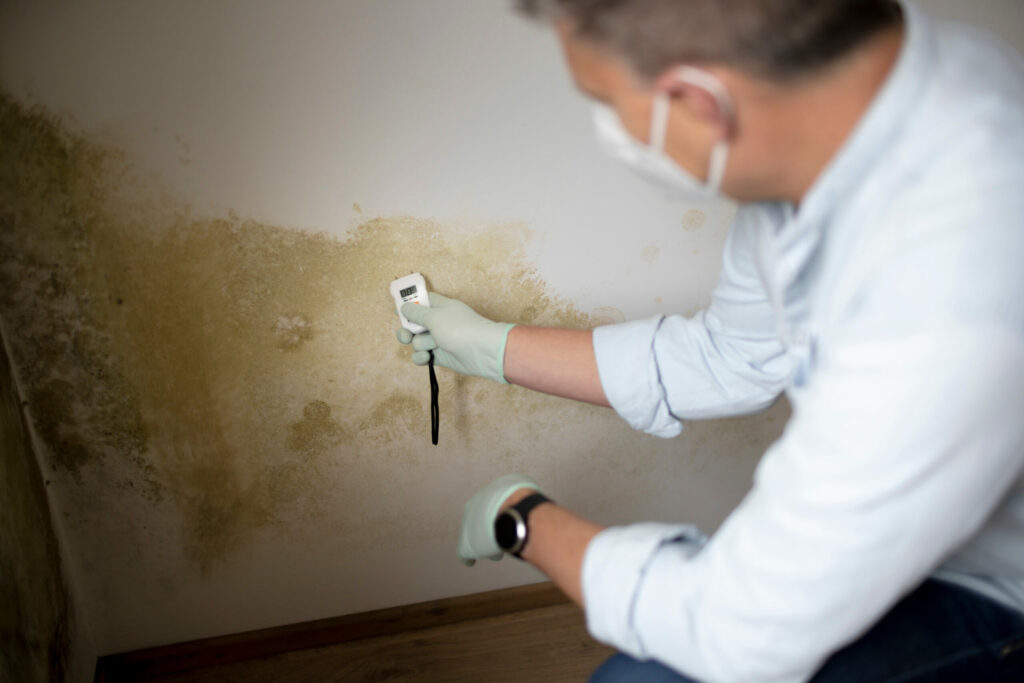
The Southern Industrial Hygienist Group focuses on identifying these hidden conditions early. Moisture mapping and environmental assessment play a critical role in understanding where mold is likely to exist, even when nothing is visible.
The Problem With Guesswork
Guessing leads to missed contamination. It also leads to unnecessary panic in situations where mold is present but within normal environmental ranges.
Not all mold presence is dangerous. Mold exists naturally in outdoor air and can enter indoor spaces without causing issues. The key is understanding concentration levels and comparing indoor air to outdoor baselines.
Without proper testing, there is no way to determine whether mold levels are normal, elevated, or actively impacting indoor air quality. People either ignore a problem that exists or overreact to a situation that is manageable. Both outcomes come from a lack of accurate information.
What Mold Testing Actually Measures
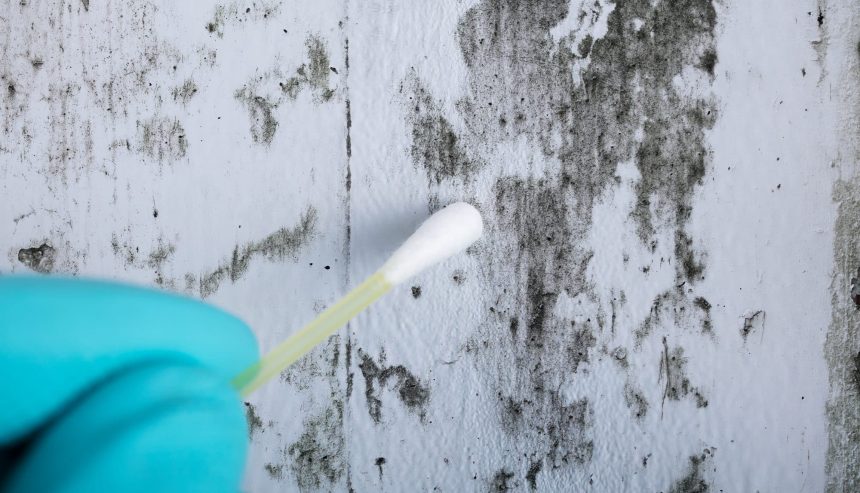
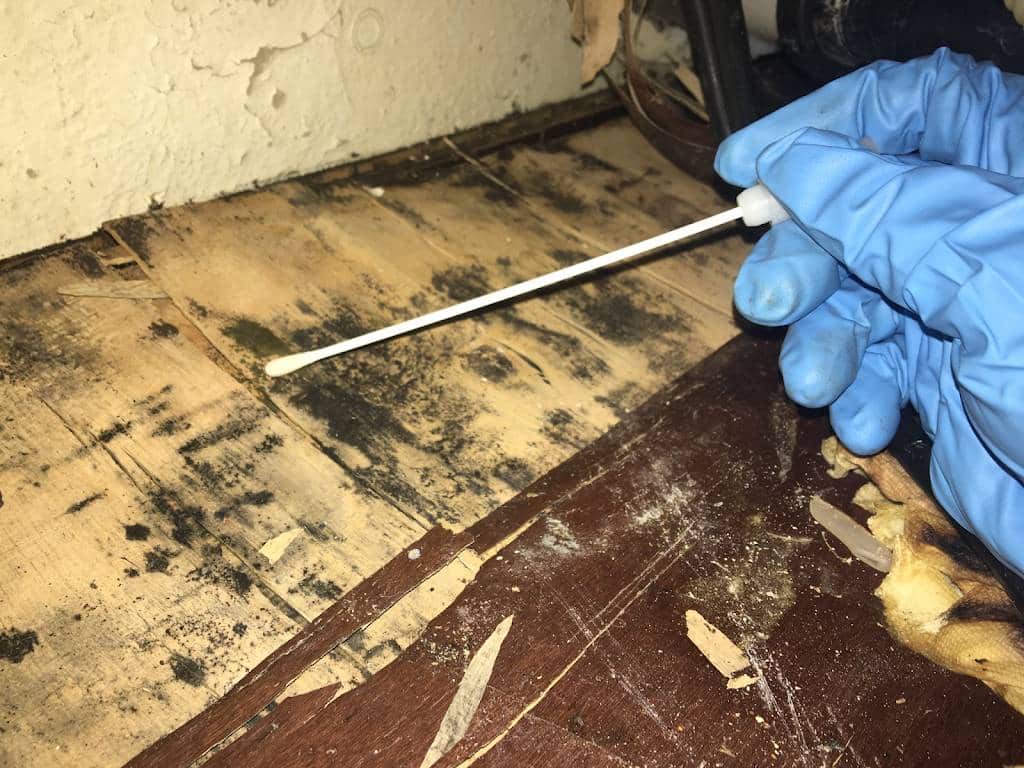
Professional mold testing is built on data. It involves collecting samples from the air and sometimes from surfaces to determine the type and concentration of mold present.
Air sampling is one of the most important tools. It captures airborne spores and provides a snapshot of what occupants are actually breathing. This is critical because mold exposure happens through inhalation, not just contact with surfaces.
Surface sampling can be useful in identifying specific growth on materials, but it does not tell the full story of air quality. A surface can show mold presence while the air remains within acceptable levels, or the opposite can be true.
The Southern Industrial Hygienist Group uses these methods to build a complete picture of the environment. The goal is not just to find mold, but to understand its behavior and impact.
Air Quality Is the Real Issue
People often focus on visible mold because it is easy to understand. You see it, you remove it, problem solved. In reality, the air is where the real concern lies.
Airborne spores can circulate throughout an entire property, even if the source is localized. HVAC systems can spread contamination from one area to another without any visible signs. This means a single hidden issue can affect multiple rooms.
Testing the air reveals whether spores are present at levels that indicate active growth somewhere in the structure. It also helps determine whether remediation has been effective after cleanup.
Without air testing, there is no reliable way to confirm that a space is truly safe.
The Role of Moisture
Mold cannot grow without moisture. This is a simple fact that is often overlooked. Addressing mold without addressing moisture is a temporary solution at best.
Leaks, humidity, and condensation create conditions where mold can develop and persist. Even small amounts of trapped moisture behind materials can lead to ongoing growth.
The Southern Industrial Hygienist Group evaluates moisture conditions alongside mold testing. This approach identifies not just where mold is, but why it is there. Removing the source of moisture is essential to preventing recurrence.
Interpreting the Data
Testing produces numbers, but numbers alone do not mean much without proper interpretation. Understanding spore counts, species types, and environmental context is what turns data into actionable insight.
For example, a certain level of spores may be completely normal in one environment but concerning in another. Outdoor conditions, building design, and recent water events all influence how results should be read.
The Southern Industrial Hygienist Group translates lab findings into clear conclusions. Instead of leaving property owners with confusing reports, the focus is on explaining what the results mean and what steps should follow.
When Testing Becomes Critical
There are specific situations where mold testing is not just helpful, but necessary.
After water damage, even if everything appears dry, testing can confirm whether hidden moisture has led to contamination. In real estate transactions, it provides an objective assessment of indoor conditions before a purchase is finalized.
Unexplained health symptoms, persistent odors, or past history of leaks are also strong indicators that testing should be performed. Waiting for visible mold to appear is not a reliable strategy.
Moving From Guessing to Knowing
The difference between mold testing and mold guessing comes down to certainty. Guessing relies on assumptions and limited observation. Testing relies on measurable evidence.
The Southern Industrial Hygienist Group removes uncertainty by focusing on data driven evaluation. Instead of reacting to what can be seen, the process uncovers what is actually present in the environment.
This shift from guessing to knowing changes how problems are addressed. It allows for targeted solutions, prevents unnecessary work, and ensures that indoor spaces are evaluated based on reality rather than appearance.
A Clearer Standard for Indoor Safety
Indoor environments are more complex than they appear. Air quality, moisture conditions, and hidden structural factors all play a role in determining whether a space is safe.
Relying on visual inspection alone is like trying to understand a situation with half the information missing. It might feel sufficient in the moment, but it leaves too much room for error.
Mold testing provides the missing pieces. It reveals what cannot be seen and puts measurable data behind decisions that affect health and property conditions.
The Southern Industrial Hygienist Group brings that level of clarity into every assessment. Instead of guessing, the focus is on understanding. Instead of assumptions, the focus is on evidence.
And when it comes to something as persistent and unpredictable as mold, that difference matters more than most people realize.